Have you ever wondered why some people seem to grow stronger in faith while others struggle to stay rooted in God’s Word?
The Parable of the Sower Bible Meaning offers a powerful answer to that question.
If you’ve read this parable and felt unsure about what the different soils, seeds, and outcomes represent, you’re not alone.
As one of Jesus’ most important teachings, it reveals deep spiritual truths about the condition of our hearts and how we respond to God’s message.
In this article, you’ll discover the meaning behind each part of the parable and learn practical lessons that can strengthen your faith and spiritual growth today.
Understanding the Parable of the Sower Bible Verse Meaning
The Parable of the Sower appears in several Gospel accounts, including Matthew 13:3-9, Mark 4:3-9, and Luke 8:4-8.
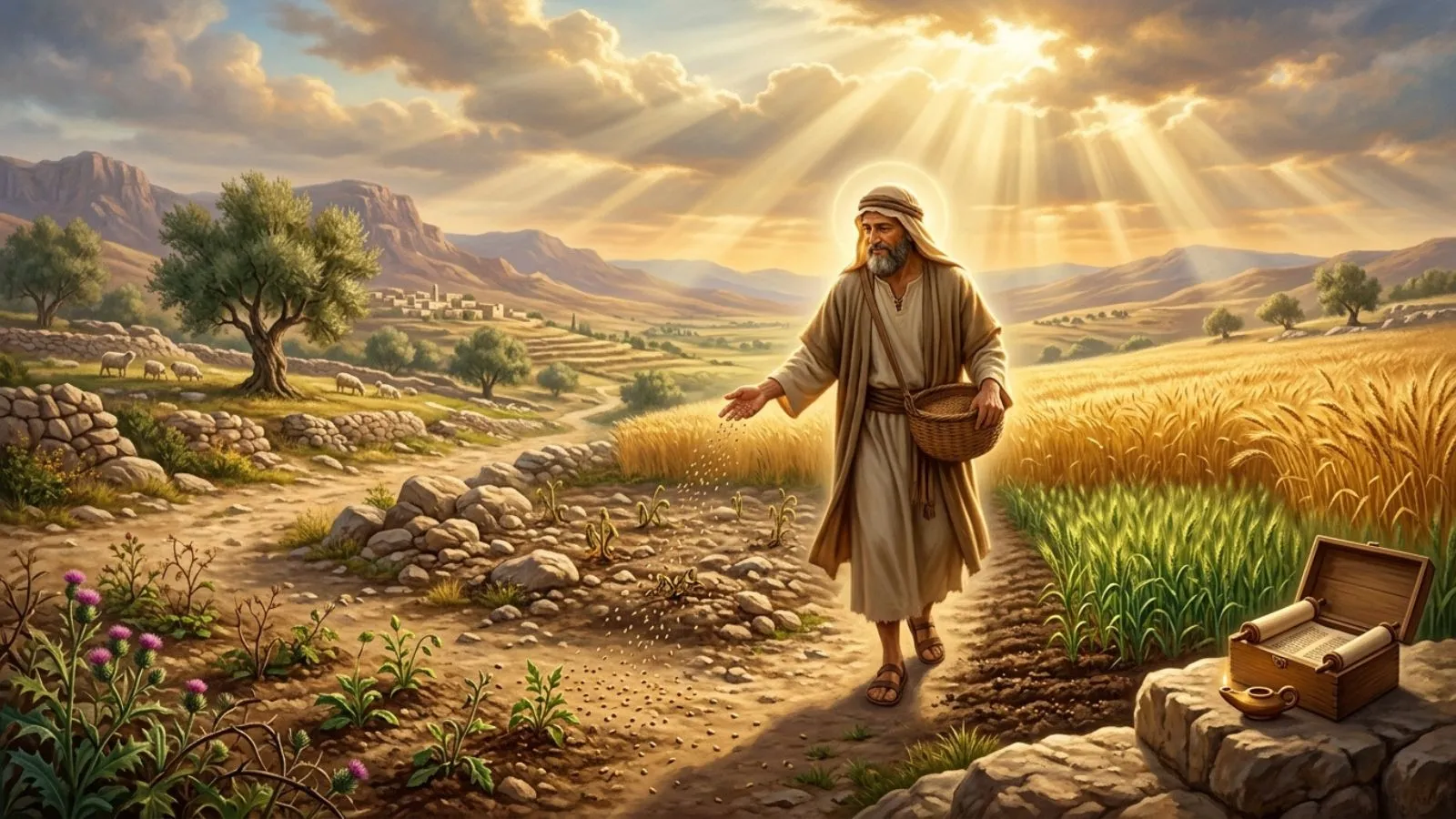
In the story, a farmer scatters seed across different types of ground. Some seed falls on a path, some on rocky soil, some among thorns, and some on good soil. Each location produces a different result.
Later, Jesus explains that the seed represents the Word of God. The various soils symbolize different conditions of the human heart. The parable is not primarily about farming. It is about how people respond to God’s truth.
The deeper spiritual meaning is that God’s message is generously offered to everyone, but not everyone receives it in the same way. The state of our hearts influences whether His Word grows, struggles, or fails to take root.
What Does the Parable of the Sower Represent Spiritually?

At its core, the parable represents the journey of faith.
The sower represents Jesus and, more broadly, anyone who shares God’s Word. The seed symbolizes divine truth, spiritual guidance, and the message of salvation.
The four types of soil reveal four common responses to God:
The Path
The hardened path represents hearts that resist God’s message. The truth is heard but never truly received.
Rocky Ground
Rocky soil describes people who initially embrace faith with enthusiasm but struggle when difficulties arise. Their spiritual roots remain shallow.
Thorny Ground
The thorns symbolize life’s distractions. Worries, material pursuits, and worldly concerns gradually choke spiritual growth.
Good Soil
Good soil represents receptive hearts that welcome God’s Word, nurture it, and allow it to produce lasting spiritual fruit.
This biblical symbolism reminds us that spiritual growth depends not only on hearing God’s Word but also on allowing it to transform us.
What Is the Message of the Parable of the Sower for Christians Today?
The message remains remarkably relevant.
Many believers can identify with each type of soil at different points in life. There may be seasons when our hearts feel open and receptive. At other times, disappointment, stress, or distractions can make it harder to hear God’s voice.
One important lesson is that faith requires ongoing cultivation. Just as a gardener removes weeds and tends the soil, Christians are called to nurture their relationship with God through prayer, worship, and Scripture.
Another message is that God never stops sowing seeds. Even when people reject His truth or wander from faith, His invitation remains available.
This offers hope to anyone who feels spiritually distant. God continues to work patiently in human hearts, preparing them for growth and renewal.
The Main Message Hidden Within the Different Soils
Many readers ask what the main message of the Parable of the Sower truly is.
The central lesson is that spiritual fruitfulness depends on the condition of the heart.
Jesus emphasizes that hearing God’s Word is only the beginning. Genuine transformation occurs when His truth takes root deeply enough to influence thoughts, choices, and actions.
The good soil does not simply hear the message. It responds to it, treasures it, and lives according to it.
This challenges believers to move beyond surface-level faith. Christianity is not merely about knowledge; it is about allowing God’s truth to shape everyday life.
The parable encourages self-examination rather than judgment of others. Instead of asking which soil another person resembles, we are invited to consider our own spiritual condition.
How Jesus Explained the Parable of the Sower
When His disciples asked about the story, Jesus provided a clear explanation.
He taught that spiritual understanding requires more than physical hearing. Many people hear God’s truth, yet only some truly grasp its significance.
Jesus showed that external circumstances do not determine spiritual growth as much as internal responsiveness does. Two people may hear the same sermon, read the same Bible passage, or experience the same challenge, yet respond in very different ways.
His explanation highlights personal responsibility. God provides the seed, but individuals choose how they respond to it.
This teaching remains a powerful reminder that spiritual maturity develops through intentional faith and obedience.
The Biblical Meaning and Origin of the Parable of the Sower
The origin of this parable comes directly from the teachings of Jesus during His earthly ministry.
In first-century Israel, farming was a familiar part of daily life. People understood the challenges of planting crops and the importance of good soil. Jesus often used everyday experiences to reveal profound spiritual truths.
The Parable of the Sower stands as one of His foundational teachings because it explains why people respond differently to the Gospel.
Its biblical meaning extends beyond a single historical moment. It reveals timeless principles about human nature, spiritual growth, and God’s desire for people to receive His truth.
The story continues to resonate because every generation faces the same challenge: deciding how to respond when God speaks.
Why the Parable of the Sower Still Speaks to Our Hearts
There is something deeply personal about this parable.
Most people can recognize times when fear, disappointment, or distractions weakened their faith. The story reassures us that spiritual struggles are not new. They have existed since the days of Jesus.
Yet the parable is ultimately hopeful.
The focus is not on failed soil but on fruitful soil. God’s desire is not condemnation but transformation. He wants His Word to take root and flourish within us.
Every day offers a fresh opportunity to cultivate a heart that is more receptive to His presence, guidance, and love.
Spiritual Symbolism and Faith Reflection
The Parable of the Sower speaks powerfully about spiritual transformation.
Faith often grows slowly, much like a seed beneath the soil. We may not always see immediate results from prayer, Bible study, or acts of obedience. Yet God is working beneath the surface.
The story also reminds us to guard our hearts against distractions that compete for our attention. Anxiety, busyness, and worldly pressures can quietly pull us away from spiritual priorities.
At the same time, the parable offers tremendous hope. God specializes in changing hearts. Soil that was once hard can become fertile. Lives that seemed spiritually stagnant can experience renewal.
When we seek God sincerely, trust His guidance, and remain rooted in His Word, spiritual fruit begins to appear in ways we may never have imagined.
The spiritual message of the Parable of the Sower is that God desires hearts that are open, teachable, and willing to grow.
FAQs
What is the Parable of the Sower in simple terms?
It is a story Jesus told about a farmer scattering seed on different types of soil. The seed represents God’s Word, and the soil represents how people respond to it.
Why did Jesus use farming imagery in this parable?
Jesus often used everyday experiences that His audience understood. Farming provided a clear picture of spiritual growth and faith.
What does the good soil symbolize?
The good soil represents people who receive God’s Word with faith, understand it, and allow it to transform their lives.
Is the Parable of the Sower about salvation or spiritual growth?
It relates to both. The parable shows how people receive God’s message and how that response affects their spiritual development.
How can Christians become good soil?
Christians can cultivate good soil by spending time in prayer, studying Scripture, obeying God’s guidance, and removing distractions that hinder spiritual growth.
Conclusion
The Parable of the Sower Bible meaning centers on the condition of the human heart and our response to God’s Word.
Through the imagery of seed and soil, Jesus reveals how faith grows, struggles, or flourishes in different lives.
Its message remains relevant today, encouraging believers to remain open to God’s truth and nurture spiritual growth.
As you reflect on this parable, may you find renewed hope, deeper faith, and the confidence that God continues to work patiently within every heart that seeks Him.