Have you ever wondered why the powerful words “Let My People Go” have echoed through generations and still inspire people today?
If you’ve heard this phrase in church, a sermon, or while reading the Bible, you may be curious about its deeper meaning and why it remains so important.
As someone who has spent years studying biblical themes and their spiritual significance, I can tell you that this phrase is far more than a simple command.
It carries a message of freedom, faith, and God’s power to deliver His people.
In this article, you’ll discover the biblical meaning of Let My People Go, its context, and the timeless lessons it offers for your life today.
Understanding the Meaning Behind “Let My People Go” in Scripture
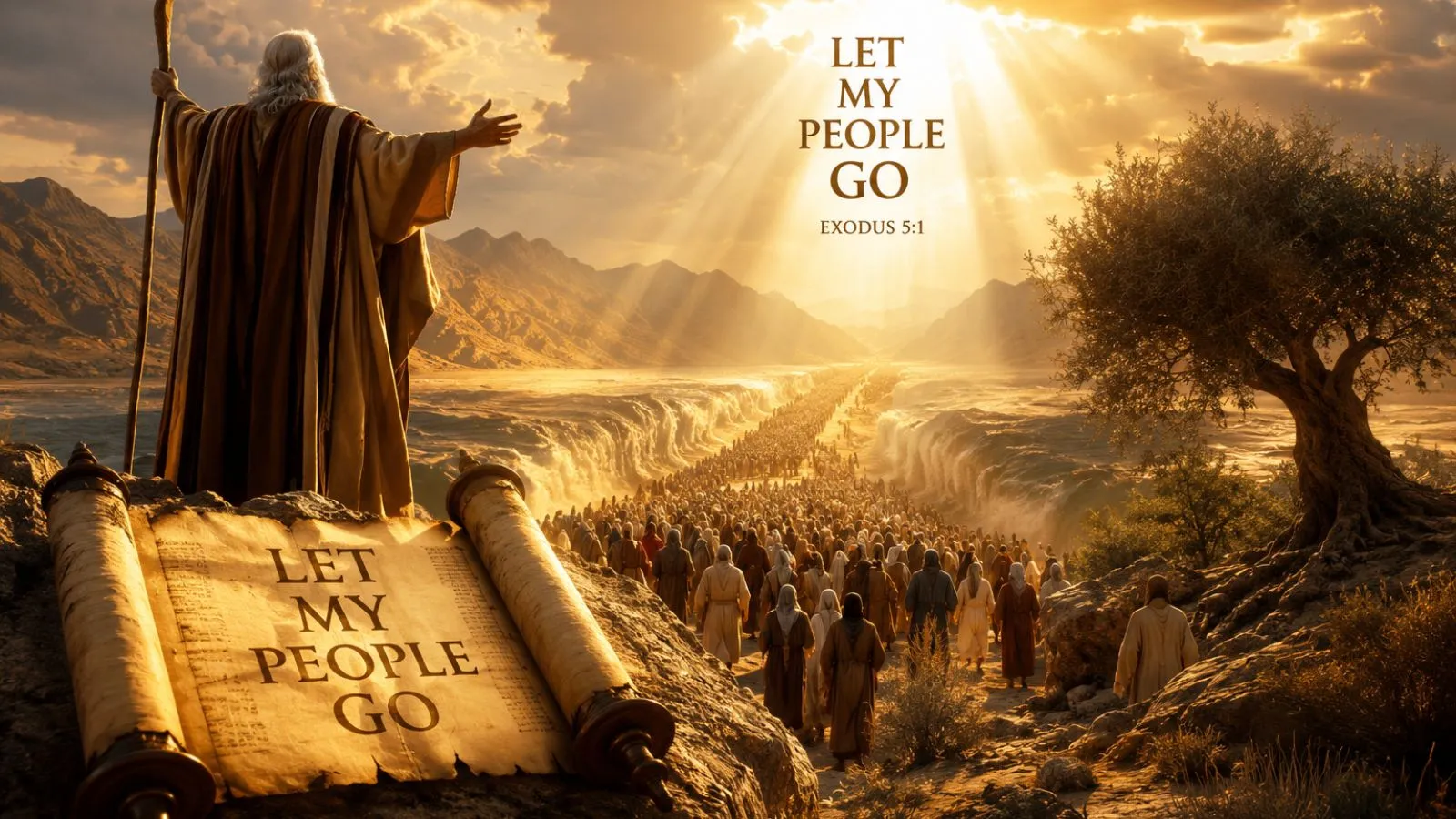
The phrase “Let my people go” appears repeatedly in the book of Exodus. God commanded Moses to tell Pharaoh:
“Let my people go, so that they may worship me.” (Exodus 8:1)
At the time, the Israelites had been enslaved in Egypt for hundreds of years. They suffered under harsh oppression and cried out to God for help. In response, God raised up Moses to lead them out of bondage and into freedom.
The biblical meaning of “Let my people go” centers on God’s desire to deliver His people from anything that prevents them from living according to His purpose.
On a deeper spiritual level, Egypt often symbolizes places of bondage, while the journey to the Promised Land represents a life of faith, growth, and trust in God.
For Christians, this story points to God’s ongoing work of rescuing people from sin, fear, hopelessness, and spiritual captivity.
What Is the Meaning of the “Let My People Go” Bible Verse?
When readers search for the “let my people go Bible verse meaning,” they are often looking for more than a historical explanation. They want to understand how this message applies today.
The verse reveals several important truths:
- God sees injustice and suffering.
- God hears the prayers of His people.
- God acts according to His perfect timing.
- Freedom often requires faith and obedience.
The command to Pharaoh was not merely political. It was spiritual. God wanted His people to leave slavery so they could worship Him freely and live according to His covenant.
Many believers see this as a picture of Christ’s work in our lives. Just as Israel was delivered from Egypt, Christians believe Jesus delivers people from the power of sin and leads them into spiritual freedom.
If this verse speaks to your heart, it may be reminding you that God still works to break chains and open doors that seem permanently closed.
What Does It Mean When God Says “Let Go”?
One of the most challenging parts of faith is learning to release control.
When people ask, “What does it mean when God says let go?” they are often wrestling with worries, disappointments, or unanswered questions.
Although the exact phrase “let go” is not commonly found in Scripture, the principle appears throughout the Bible.
Psalm 46:10 says:
“Be still, and know that I am God.”
Letting go does not mean giving up. It means trusting God’s wisdom when we cannot see the full picture.
Spiritually, letting go may involve:
- Releasing bitterness.
- Surrendering fear.
- Trusting God’s timing.
- Giving burdens to Him in prayer.
- Accepting His guidance over our own plans.
Many Christians discover that peace comes not from controlling every outcome but from placing their lives in God’s hands.
In dream interpretation, dreams about releasing something, opening your hands, or walking away from a burden are sometimes viewed as reminders to trust God more deeply and stop carrying unnecessary spiritual weight.
Why Does the Bible Encourage Us to Be Ready?
Another question often connected to spiritual freedom is: “What does the Bible say about being ready?”
Jesus repeatedly taught His followers to remain spiritually prepared.
In Matthew 24:44, He says:
“So you also must be ready, because the Son of Man will come at an hour when you do not expect him.”
Being ready in the Bible is not about fear. It is about faithful living.
A ready heart is:
- Spiritually alert.
- Grounded in prayer.
- Trusting God’s promises.
- Living with purpose.
- Walking in obedience.
The Israelites also had to be ready when God delivered them from Egypt. When the time came, they needed faith to step forward.
Sometimes God prepares opportunities, answers prayers, and opens new paths, but we must be willing to move when He calls.
Being ready means keeping our hearts open to God’s leading and remaining faithful even while we wait.
What Does It Mean to Let God’s Will Be Done?
Jesus gave believers a beautiful example of surrender when He prayed:
“Your will be done, on earth as it is in heaven.” (Matthew 6:10)
At first glance, surrendering to God’s will may seem difficult. Yet Scripture presents it as a pathway to peace.
Letting God’s will be done means trusting that His plans are wiser than our own.
This involves:
- Seeking God’s direction through prayer.
- Trusting Him during uncertainty.
- Accepting His timing.
- Following His guidance even when it requires courage.
Moses experienced this firsthand. Leading Israel out of Egypt was not his personal plan. It was God’s plan. Yet through obedience, Moses witnessed extraordinary miracles.
For many believers, surrender becomes the place where spiritual growth begins. The more we trust God’s will, the more we discover His faithfulness.
What Does the Bible Say About Letting It Go?
Holding on to hurt can quietly drain our joy and peace.
That is why many people search for what the Bible says about “letting it go.”
Scripture encourages believers to release anger, resentment, and past wounds.
Ephesians 4:31 says:
“Get rid of all bitterness, rage and anger.”
Forgiveness does not mean pretending pain never happened. It means choosing not to let that pain control your future.
When we let go of past hurts, we create space for healing.
The Exodus story itself reflects this truth. The Israelites could not fully embrace their future if they remained emotionally attached to their former bondage.
Sometimes God calls us to leave behind old fears, unhealthy habits, and painful memories so we can step into the freedom He has prepared.
Spiritual Symbolism of “Let My People Go”
The story of Exodus contains rich biblical symbolism that continues to inspire believers today.
Egypt often represents bondage, spiritual struggles, or situations that limit our growth.
Pharaoh can symbolize resistance, pride, or obstacles standing between us and God’s purpose.
Moses represents obedience and faith.
The Promised Land symbolizes hope, restoration, and God’s blessings.
Spiritually, the message reminds us that God is always working toward redemption. Even when circumstances seem overwhelming, His desire is to guide His people toward freedom, healing, and renewal.
For many Christians, “Let my people go” serves as a spiritual message that God has not forgotten them. It is a reminder that His presence remains near during life’s hardest seasons.
Faith Lessons We Can Carry Into Everyday Life
The message behind “Let my people go” is not limited to ancient history.
It speaks directly into modern struggles.
When facing uncertainty, we can remember that God sees what others overlook.
When carrying heavy burdens, we can trust Him with our worries.
When waiting for answers, we can remain ready for His timing.
And when difficult situations seem impossible to change, we can hold on to hope because God specializes in bringing freedom where people see only barriers.
Freedom in Scripture begins with trust, grows through faith, and flourishes through obedience.
The journey may not always be easy, but God’s presence remains constant every step of the way.
FAQs
What is the spiritual meaning of “Let my people go”?
The spiritual meaning points to God’s desire to deliver His people from bondage, fear, sin, and anything that separates them from His purpose and peace.
Why did God tell Pharaoh to let His people go?
God commanded Pharaoh to release the Israelites so they could worship Him freely and fulfill the calling He had placed upon them.
Does “Let my people go” apply to Christians today?
Many Christians believe it symbolizes God’s ongoing work of bringing spiritual freedom, healing, and transformation into people’s lives.
What does Egypt symbolize in the Bible?
Egypt often symbolizes bondage, oppression, or spiritual captivity, while leaving Egypt represents freedom and a renewed relationship with God.
How can I trust God enough to let go?
Prayer, reading Scripture, and remembering God’s past faithfulness can help strengthen trust and encourage surrender during difficult circumstances.
Conclusion
The meaning of “Let My People Go” reaches far beyond the story of Moses and Pharaoh.
It reveals a God who hears cries for help, breaks chains of bondage, and leads His people toward freedom.
If you are learning to let go, trusting God’s will, or waiting for a new beginning, this powerful biblical message offers hope.
God’s desire is not to leave you trapped by fear or uncertainty but to guide you forward with faith, peace, and confidence in His loving care.
Discover More Post
- Impurity Meaning in the Bible: A Clear Guide(2026)
- Powerful Truth About Lucas Meaning in the Bible Revealed(2026)?
- What Is Sandra Meaning in Bible and Its Spiritual Significance?