Have you ever wondered why some choices bring peace while others lead to pain?
The “Reap What You Sow Bible Meaning” reveals a powerful spiritual truth that affects every part of your life your actions, words, relationships, and faith.
Many people hear this verse but still struggle to understand what God truly meant by it.
As someone deeply familiar with biblical teachings and spiritual symbolism, I can tell you this message is far more than a warning it is also a promise of hope, growth, and blessing.
In this article, you’ll discover the deeper meaning behind this biblical principle and how it still speaks to your life today.
What Does “Reap What You Sow” Mean in the Bible?
The phrase “reap what you sow” comes most clearly from Galatians 6:7:
“Do not be deceived: God cannot be mocked. A man reaps what he sows.”
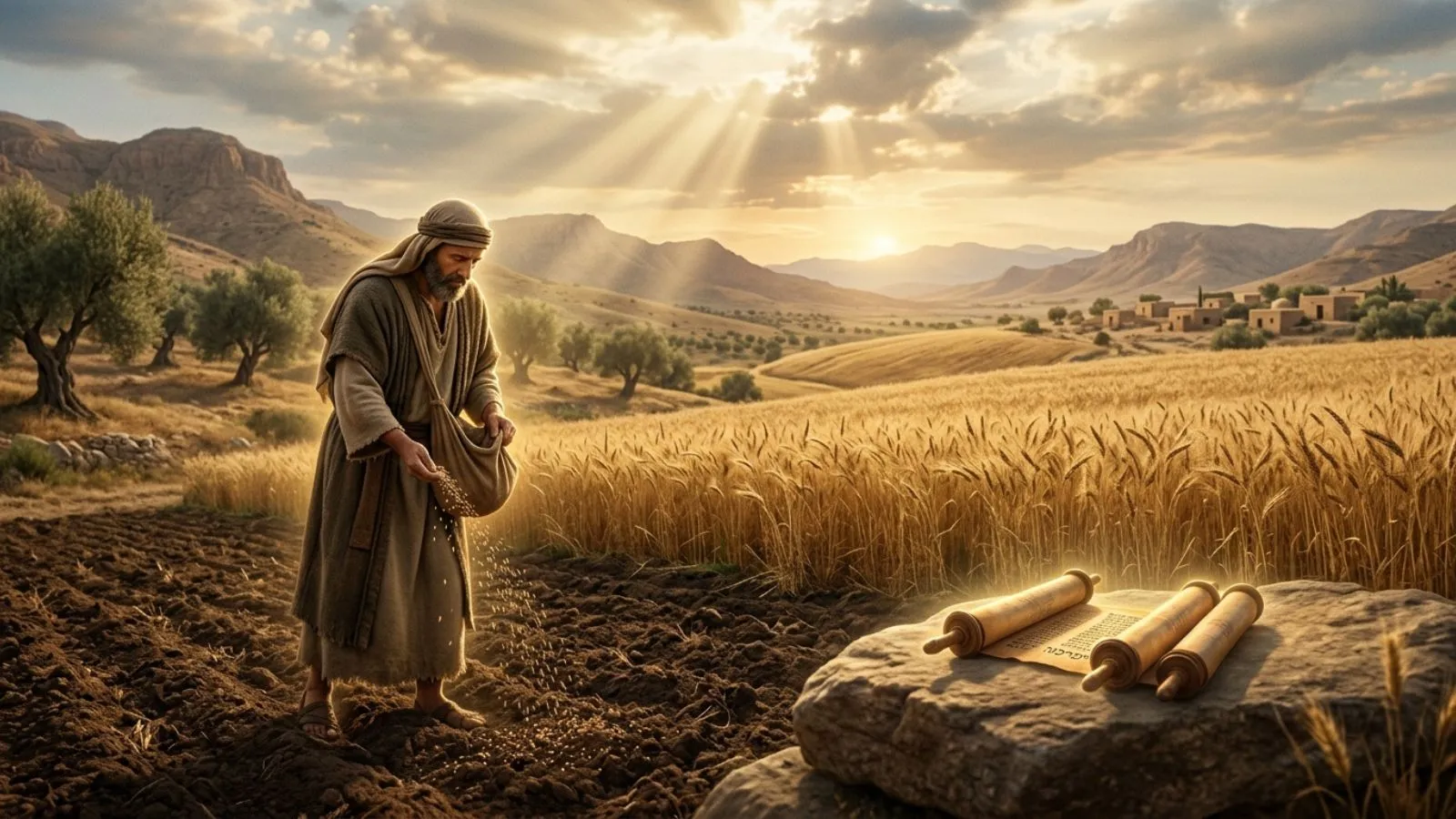
In simple terms, the verse means our actions carry consequences. Just as a farmer harvests the same kind of seed he plants, people eventually experience the results of the choices they make.
If someone continually sows anger, dishonesty, bitterness, or selfishness, those seeds often grow into broken relationships and spiritual emptiness. But when a person sows love, kindness, forgiveness, generosity, and faith, those seeds can produce peace and spiritual fruit over time.
This spiritual meaning is not only about punishment or reward. It also reveals God’s wisdom and order. He created life with spiritual principles that shape human hearts. Small choices made daily often become the direction of a person’s future.
Many Christians also connect this verse to personal transformation. Even if someone has made mistakes in the past, God allows new seeds to be planted. Through repentance, prayer, and surrender, a person can begin walking toward healing and restoration.
The Powerful Scripture Meaning Behind “We Reap What We Sow”
The reap what you sow scripture meaning becomes even deeper when we read the surrounding verses in Galatians. Paul explains that those who sow to please their sinful nature eventually harvest destruction, while those who sow to the Spirit reap eternal life.
This points to more than earthly consequences. It speaks about spiritual direction.
Everyday decisions slowly shape the soul. The entertainment we consume, the words we speak, the people we influence, and the way we treat others all become seeds planted into our spiritual lives.
This can feel convicting, but it is also encouraging. God notices every hidden act of love and faithfulness, even when others do not.
A quiet prayer whispered during hardship matters.
Choosing forgiveness instead of revenge matters.
Showing compassion when life feels unfair matters.
Sometimes people grow discouraged because they do not see immediate results from doing good. Yet Scripture reminds believers that spiritual harvests often take time. Farmers wait patiently for growth beneath the soil long before crops appear above the ground.
In the same way, God may be growing something beautiful in your life that you cannot fully see yet.
Does the Bible Really Say You Reap What You Sow?
Yes, the Bible clearly teaches this principle in several places, not only in Galatians.
In Proverbs, people are warned that evil actions eventually bring trouble. In Hosea 8:7, Scripture says:
“They sow the wind and reap the whirlwind.”
Jesus Himself also spoke about spiritual fruit and the condition of the heart. He often used seeds, planting, vineyards, and harvest imagery to explain spiritual truths.
Yet it is important to understand this teaching carefully. “Reap what you sow” does not mean every hardship is a direct punishment from God. Faithful people still experience suffering, grief, and trials in a broken world.
Sometimes righteous people suffer deeply while still walking closely with God. The story of Job reminds believers of this truth.
Instead, the biblical message focuses on spiritual patterns. Over time, the seeds planted through attitudes, choices, and behavior influence the direction of life and faith.
God is both just and merciful. Even when someone has sown badly in the past, His grace offers forgiveness and a chance to begin again.
You Will Reap What You Sow: A Spiritual Warning and a Hopeful Promise
For some readers, this biblical principle feels like a warning. For others, it feels comforting.
Both responses are understandable.
The warning is real because sin has consequences. Pride, cruelty, dishonesty, and selfishness can slowly harden the heart. A person may ignore those effects for a while, but eventually the harvest appears.
At the same time, this truth also carries incredible hope.
If you have been sowing faithfulness, prayer, patience, and love during difficult seasons, God sees it all. Even when growth feels slow, your spiritual harvest is not forgotten.
Galatians 6:9 beautifully encourages believers:
“Let us not become weary in doing good, for at the proper time we will reap a harvest if we do not give up.”
That verse has comforted many Christians during seasons of exhaustion and disappointment. Sometimes the harvest is spiritual peace. Sometimes it is restored relationships. Sometimes it is deeper trust in God.
The timing may not happen as quickly as we expect, but God’s work is never wasted.
What Is the Definition of “You Reap What You Sow” Spiritually?
Spiritually, the definition of “you reap what you sow” means that human choices produce spiritual outcomes over time.
The seeds we plant through thoughts, words, actions, and intentions eventually grow into fruit that affects both our lives and our relationship with God.
This biblical symbolism appears often in Christian teaching because planting and harvesting are deeply connected to spiritual growth. Seeds may seem small at first, yet they contain the power to produce something much larger later.
A single act of bitterness can grow into lasting anger.
A small habit of prayer can grow into strong faith.
One step of obedience can open the door to spiritual transformation.
This truth also connects beautifully to Christian dream interpretation. Dreams involving planting, fields, harvests, or gardens are sometimes seen as spiritual reminders about what is being cultivated in a person’s heart and life. Many believers view such dreams as invitations to reflect on their spiritual direction and relationship with God.
The Spiritual Meaning of Sowing Good Seeds in Daily Life
Most people do not think of ordinary moments as spiritual seeds, but Scripture invites believers to see life differently.
Every act of kindness matters.
Every prayer matters.
Every moment of choosing faith over fear matters.
Sowing good seeds does not require a perfect life. It simply means living with a heart that continually turns toward God. Some seasons may feel dry and discouraging, especially when prayers seem unanswered. Yet even hidden faithfulness carries spiritual value.
There are also times when God allows difficult seasons to teach patience, humility, and dependence on Him. Farmers cannot force instant harvests, and spiritual growth often works the same way.
When Christians continue sowing truth, love, and obedience during painful seasons, God often uses those quiet acts to shape deeper character and stronger faith.
That is why the presence of God can still be found even during waiting seasons.
Spiritual Reflection: Trusting God With the Harvest
One of the hardest parts of faith is surrendering control of the outcome. People naturally want immediate answers and visible results. Yet spiritual growth rarely happens overnight.
The principle of sowing and reaping reminds believers to focus more on faithfulness than instant rewards.
God sees the unseen seeds.
He notices private prayers, hidden tears, and acts of obedience that nobody else understands. Even when life feels uncertain, Christians can trust that God is still working beneath the surface.
This message also brings freedom from bitterness. Instead of obsessing over the actions of others, believers are encouraged to focus on the condition of their own hearts.
Are we planting peace or conflict?
Faith or fear?
Grace or resentment?
These quiet questions often reveal where spiritual transformation is needed most.
Over time, God can soften hardened places within us and produce a harvest of peace, wisdom, compassion, and hope.
FAQs
What Bible verse says you reap what you sow?
The most well-known verse is Galatians 6:7, which says, “A man reaps what he sows.” It teaches that actions eventually produce spiritual consequences.
Is “reap what you sow” a warning from God?
It can be both a warning and an encouragement. The verse warns against sinful choices while also reminding believers that faithfulness and goodness produce spiritual blessings.
Does reaping what you sow apply to Christians?
Yes. Christians are encouraged to sow spiritual seeds through prayer, obedience, love, and faith. God uses those choices to shape spiritual growth and character.
Can God forgive bad seeds we planted in the past?
Absolutely. God’s grace brings forgiveness, healing, and new beginnings. Through repentance and faith, believers can begin planting healthier spiritual seeds.
What does sowing good seeds mean spiritually?
Sowing good seeds means living with kindness, faith, honesty, prayer, forgiveness, and trust in God. These attitudes often lead to spiritual peace and growth over time.
Conclusion
The reap what you sow Bible meaning is ultimately about the condition of the heart and the direction of a person’s spiritual life.
God lovingly reminds believers that choices matter, but He also offers grace for new beginnings.
Even if past seasons were painful, new seeds can still be planted through faith, prayer, and obedience. Little acts of love and faithfulness are never unseen by God.
In every season, He continues working quietly beneath the surface, preparing a harvest filled with hope, healing, and spiritual growth.
Discover More Post
- Mount Zion in the Bible Meaning Revealed Clearly?
- 7 Years in the Bible Meaning and Hidden Truths?
- Eye of the Needle Bible Meaning and Hidden Truth?

At BibleMeeaning.com guided by Timothy Keller you can understand the true meaning of the Bible in a simple and clear way. A trusted source to deepen your faith and spiritual understanding.