Have you ever wondered why God placed so much importance on first fruits in the Bible?
If you’ve come across this term in Scripture, you may be curious about what it really means and why it mattered to God’s people.
The first fruits in the Bible meaning goes far beyond offering the first part of a harvest it reveals a powerful lesson about faith, gratitude, trust, and honoring God with what comes first in your life.
Drawing from key biblical passages and spiritual insights, this guide will help you understand the deeper significance of first fruits and how its message still applies to believers today.
What Does First Fruits Mean in the Bible?
The first fruits in the Bible meaning refers to the first and best portion of a harvest, income, increase, or blessing that is dedicated to God.
Rather than giving God what was left over, His people were instructed to offer Him the very first part. This demonstrated faith, obedience, and dependence on His provision.
One of the clearest examples appears in Proverbs 3:9-10:
“Honor the Lord with your wealth, with the firstfruits of all your crops.”
The spiritual meaning behind this command is simple yet profound. God desires first place in our lives. Offering first fruits was never merely about crops; it reflected a heart that trusted Him completely.
For Christians today, the principle often symbolizes giving God the first place in our time, resources, talents, and decisions.
The Powerful Meaning Behind First Fruits Bible Verses
Many first fruits Bible verses reveal themes of gratitude, worship, and faith.
In Exodus 23:19, God instructed His people:
“Bring the best of the firstfruits of your soil to the house of the Lord your God.”
Notice that God asked for the best portion, not the leftovers. This teaches an important spiritual lesson. Genuine worship involves giving God our best rather than offering Him whatever remains after everything else.
Another significant passage appears in James 1:18, where believers are described as “a kind of firstfruits of all he created.”
Here, first fruits takes on a deeper spiritual meaning. It points to people who belong to God and are set apart for His purposes.
These verses remind us that honoring God begins with our priorities. When we place Him first, we acknowledge His presence and guidance in every area of life.
What Was the First Fruit in the Bible?
Many readers wonder what was the first fruit in the Bible and If it refers to a specific fruit.
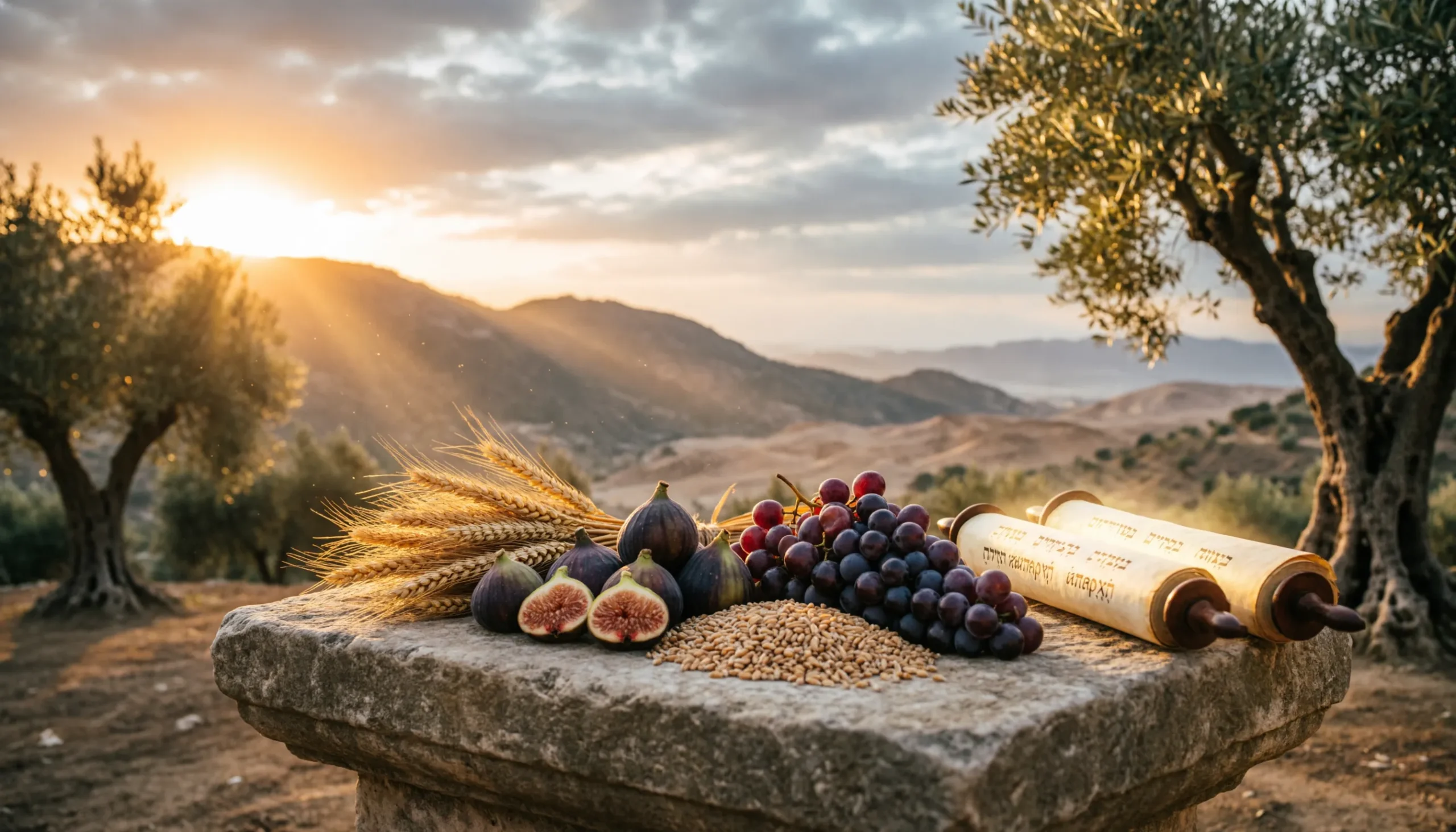
In Scripture, “first fruits” generally referred to the earliest portion of crops harvested each season. Depending on the region and harvest cycle, these offerings could include barley, wheat, grapes, olives, figs, or other agricultural produce.
One of the earliest references appears in the offerings brought by Cain and Abel in Genesis 4. Abel offered the firstborn of his flock, giving God the best and earliest portion of what he possessed. While the term “first fruits” is not explicitly used there, the principle is very similar.
The emphasis was never on a particular fruit. Instead, the focus was on offering God the first and finest part of one’s increase.
This teaches a timeless truth: God looks beyond the gift itself and sees the faith behind it.
First Fruits Mentioned in the Bible: Why It Matters
First fruits are mentioned throughout both the Old and New Testaments because they reveal God’s desire for a trusting relationship with His people.
Under the Old Covenant, first-fruit offerings were part of Israel’s worship and celebration. They served as a visible reminder that God was the source of every harvest and blessing.
Later, the concept expanded into a powerful spiritual symbol.
In 1 Corinthians 15:20, Jesus Christ is called:
“the firstfruits of those who have fallen asleep.”
This means Christ’s resurrection is the first and guaranteed sign of the future resurrection of believers.
This passage transforms the meaning of first fruits from an agricultural practice into a message of hope. Because Jesus rose from the dead, believers can trust God’s promise of eternal life.
The symbolism points toward God’s faithfulness and His ability to fulfill every promise He makes.
Understanding the First Fruits Meaning in Hebrew
The first fruits meaning in Hebrew comes from the word Bikkurim (בִּכּוּרִים).
This word refers to the earliest produce gathered during harvest and presented to God as an offering of thanksgiving.
In Jewish tradition, presenting Bikkurim was a joyful act. Worshipers would bring their offerings to the temple while expressing gratitude for God’s provision and faithfulness.
The Hebrew concept highlights several spiritual truths:
- God is the source of every blessing.
- Gratitude should come before enjoyment.
- Faith trusts God for future provision.
- Worship involves both the heart and actions.
Understanding the Hebrew background helps us appreciate the deeper spiritual message behind first fruits. It was never merely a religious duty. It was a celebration of God’s goodness.
First Fruits in the Bible Meaning and Examples
The Bible contains several meaningful examples of first fruits that help illustrate its significance.
Abel’s Offering
Abel gave the firstborn of his flock to God. His offering reflected faith, reverence, and sincere devotion.
Israel’s Harvest Offerings
The Israelites regularly brought the earliest crops from their fields to the Lord. These offerings acknowledged God’s role as provider.
Jesus as the First Fruits
Perhaps the most powerful example is Jesus Christ Himself. His resurrection became the first fruits of God’s promise that believers will also experience eternal life.
Believers as First Fruits
James describes Christians as first fruits among God’s creation. This symbolizes being set apart for God’s purposes and reflecting His glory in the world.
Each example points to the same truth: God deserves the first place in our hearts and lives.
First Fruits in the Bible Meaning and Verses That Inspire Faith
Several Bible verses beautifully capture the spiritual message of first fruits.
Proverbs 3:9-10
This passage teaches believers to honor God with their resources and trust Him for provision.
Exodus 23:19
God instructs His people to bring the best of their first fruits as an act of worship.
Romans 11:16
Paul uses first fruits as a symbol of holiness and dedication to God.
James 1:18
Believers are described as God’s first fruits, chosen and set apart for His purposes.
1 Corinthians 15:20
Jesus is called the first fruits of the resurrection, offering hope beyond death.
Together, these verses reveal a consistent spiritual message of trust, gratitude, dedication, and hope.
The Spiritual Symbolism of First Fruits for Christians Today
Although most Christians are not farmers, the principle of first fruits remains deeply relevant.
Spiritually, first fruits represent giving God priority in every area of life.
This may include:
- Beginning each day with prayer.
- Offering God the first portion of your income.
- Seeking His guidance before making major decisions.
- Dedicating your gifts and talents to His service.
- Trusting Him before seeing the full outcome.
Sometimes life feels uncertain. We may hesitate to surrender our plans, finances, or future. Yet the message of first fruits encourages believers to trust God before all the answers are visible.
This act of faith often becomes a powerful expression of spiritual growth and transformation.
When we place God first, we acknowledge that He is faithful, present, and worthy of our trust.
A Faith Reflection on Trusting God With the First and Best
The deeper spiritual meaning of first fruits is not about obligation. It is about relationship.
God invites His people to trust Him with the first and best parts of their lives. If that involves time, resources, opportunities, or dreams, the principle remains the same.
Giving God first place reflects confidence in His care and provision.
In seasons of abundance, first fruits cultivate gratitude.
In seasons of uncertainty, they strengthen faith.
And in every season, they remind us that God’s blessings are gifts meant to draw us closer to Him.
As believers continue their faith journey, the message of first fruits offers a gentle invitation to place God at the center and trust His guidance each step of the way.
FAQs
What is the spiritual meaning of first fruits?
The spiritual meaning of first fruits is giving God the first and best portion of what we receive as an expression of faith, gratitude, and trust.
Is first fruits the same as tithing?
While both involve honoring God with resources, first fruits focus on the first portion received, whereas tithing traditionally refers to giving a tenth.
Why did God require first-fruit offerings?
God used first-fruit offerings to teach His people gratitude, dependence on Him, and the importance of placing Him first.
Does the New Testament talk about first fruits?
Yes. The New Testament describes Jesus as the first fruits of the resurrection and believers as first fruits dedicated to God.
How can Christians practice the principle of first fruits today?
Christians can apply the principle by prioritizing prayer, honoring God with their resources, dedicating their gifts to Him, and seeking His guidance before anything else.
Conclusion
The first fruits in the Bible meaning reaches far beyond ancient harvests and offerings.
It reveals a heart posture of gratitude, trust, and devotion toward God.
From the fields of Israel to the resurrection of Christ, first fruits symbolize giving God the first and best while trusting Him with the future.
As you reflect on this powerful biblical principle, may it encourage you to place God first in every area of life and find peace in His faithful provision, guidance, and love.

At BibleMeeaning.com guided by Timothy Keller you can understand the true meaning of the Bible in a simple and clear way. A trusted source to deepen your faith and spiritual understanding.